
Desalination: Turning Seawater into Fresh Water
Desalination is the process of removing salt and other minerals from seawater or brackish water, transforming it into fresh water that’s safe for drinking, agriculture, and industrial use. This technology has become increasingly vital as the world faces growing water scarcity challenges.
Why Desalination Matters
Freshwater resources are under tremendous pressure globally. Many regions, particularly coastal areas with low rainfall, struggle to meet the water demands of their growing populations. Desalination offers a reliable solution by tapping into the ocean’s vast reserves—an essentially unlimited source that covers over 70% of our planet. For coastal communities, industries, and agricultural operations in water-scarce regions, desalination can mean the difference between thriving and merely surviving.
How Desalination Works
There are two primary methods used to desalinate water:
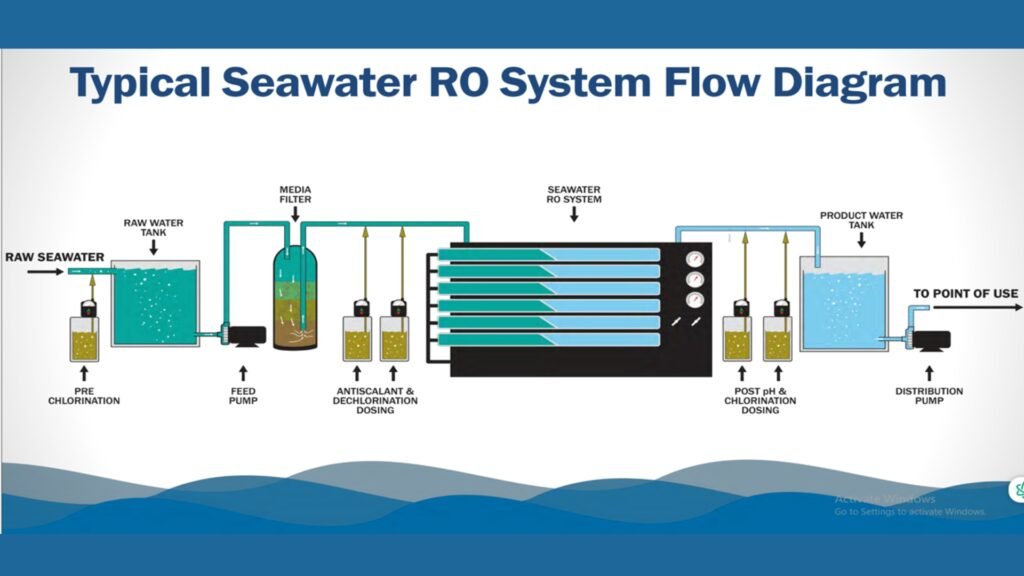
Reverse Osmosis is the most widely used technique today. This process forces seawater through specialized semi-permeable membranes under high pressure. These membranes act as molecular filters, allowing water molecules to pass through while blocking salt, minerals, and other contaminants. The result is clean, drinkable water on one side and concentrated brine on the other. Reverse osmosis has become increasingly efficient and cost-effective over the years, making it the preferred choice for most modern desalination plants.
Thermal Desalination uses heat to separate water from salt. In this process, seawater is heated until it evaporates, leaving salt and minerals behind. The water vapor is then condensed back into liquid form as fresh water. While this method has been used for decades, particularly in oil-rich Middle Eastern countries where energy costs are lower, it typically requires more energy than reverse osmosis.
Global Impact
Countries like Saudi Arabia, the United Arab Emirates, Israel, and Australia have invested heavily in desalination infrastructure, making it a cornerstone of their water security strategies. As climate change continues to affect rainfall patterns and freshwater availability, desalination technology is likely to play an even more critical role in ensuring access to clean water for millions of people worldwide.